





Passwords in 2018 are as bad as ever
Đăng ngày: 20 thg 12, 2018 · Tin tức · 2 phút đọc
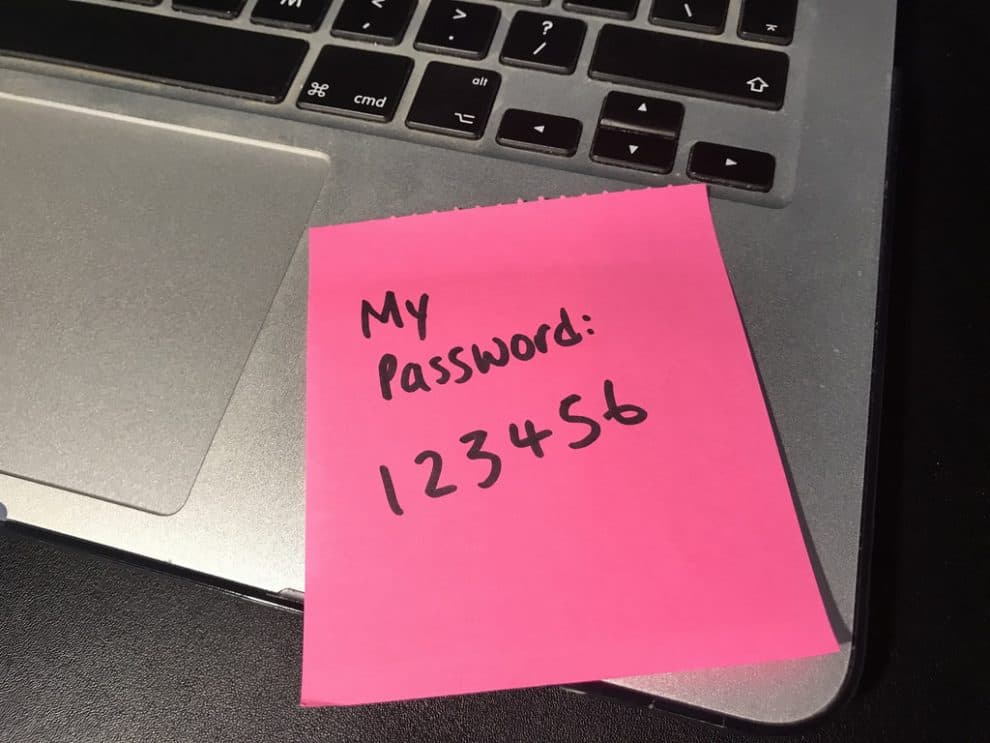
Every year, the fine gents at SplashData both entertain and horrify us with a list of the 100 worst passwords out there, hoping to kick our collective bad habits. Despite increased awareness of the need for password hygiene, people still use the same weak login credentials. This year is no different, as the report reveals.
Weak passwords are an important attack vector for hacking techniques like brute-force attacks, where hackers use guesswork as they try out many passwords or passphrases with the hope of eventually getting it right. Attackers basically check all possible combinations until a match is eventually found.
Needless to say, brute-force attacks work best on weak passwords, such as “password” or “123456.” And, according to SplashData, these two continue to top the worst-passwords list in 2018 – for the fifth year in a row. The next five on the list are simply numerical strings, which you can probably guess.
Even U.S. President Donald Trump made the list:
“While terrible passwords such as ‘123456’ and ‘password’ continue in the #1 and #2 spots, respectively, President Trump debuted on this year’s list with ‘donald’ showing up as the 23rd most frequently used password.”
“Sorry, Mr. President, but this is not fake news – using your name or any common name as a password is a dangerous decision,” said Morgan Slain, CEO of SplashData. “Hackers have great success using celebrity names, terms from pop culture and sports, and simple keyboard patterns to break into accounts online because they know so many people are using those easy-to- remember combinations.”
The research suggests around 10% of people have used at least one of the 25 worst passwords on this year’s list, and nearly 3% have used the worst password, 123456.
As a rule of thumb, never use a weak password, let alone use the same weak password across different services. A strong password should be at least eight characters long and contain upper- and lowercase letters, numbers, and special characters (*, #, %, etc.). Users should also employ two-factor-authentication (2FA) for every service that offers this option.
Bài viết liên quan
Bảo vệ gia đình bạn khỏi thủ đoạn lừa đảo AI "Tiếng khóc trẻ em" vô cùng tinh vi
Đăng ngày: 21 thg 7, 2026
Đọc bài viết
Data Breach (Rò rỉ dữ liệu) là gì? Và tại sao Bitdefender lại là giải pháp bảo mật tối ưu nhất?
Đăng ngày: 19 thg 7, 2026
Đọc bài viết
Cơn Sốt Bóng Đá: Đừng Để Kẻ Gian Ghi Bàn Vào Hệ Thống Bảo Mật Kỹ Thuật Số Của Bạn
Đăng ngày: 15 thg 6, 2026
Đọc bài viết
Người dùng Android cần xem ngay! 3 cách cài đặt khóa điện thoại chống ứng dụng ẩn danh hút sạch tiền tài khoản (Cập nhật mới nhất)
Đăng ngày: 12 thg 6, 2026
Đọc bài viết